Withdrawing money from Zomclub today: what time to process quickly, avoid peak hours to minimize order delays.
When you encounter a lengthy "processing" message while withdrawing money, it feels like ordering bubble tea during rush hour: the order is still there, you're still craving it, and you start wondering if you accidentally pressed the wrong button. The good news is that most slow withdrawals aren't serious problems. They usually stem from three common issues: withdrawing during peak hours, entering a single character incorrectly in your bank information, or your account not yet fully verified and the system needs to check further. This article will help you Nạp tiền Zomclub Make it more efficient by choosing the "ideal" time of day, standardizing the process before clicking the exit button, and knowing how to monitor the status to avoid order freezes.
Choose an "ideal" time to withdraw your order: avoid peak hours to get your order processed faster.
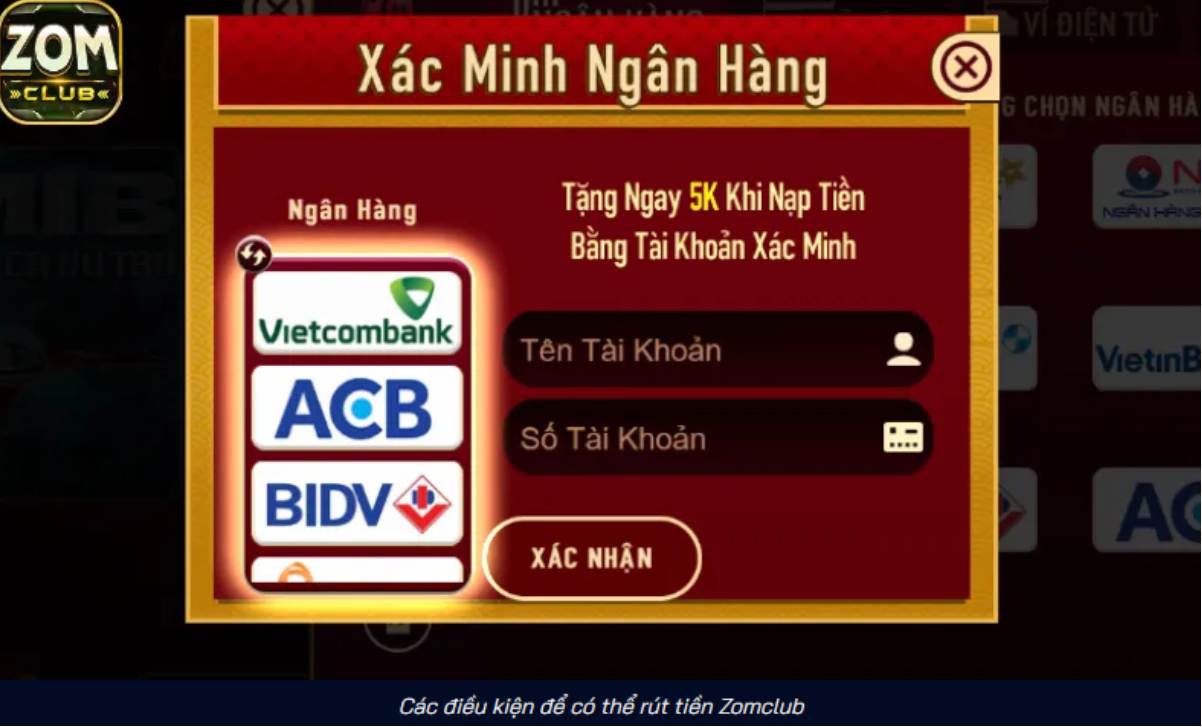
Withdrawals aren't always the same. The same operation can result in a queue if the system is busy and the bank is also occupied. If you withdraw during a low-traffic period, the order usually goes through faster. Choosing the right time is like choosing when to leave: avoid traffic and arrive early.
When do rush hour usually occur and why is it easy to hang a car?
Peak hours occur when many people are simultaneously performing deposit and withdrawal transactions and accessing games, usually in the evenings after work, on weekends, or during peak entertainment times. When the volume of requests increases, the system needs more time to process and reconcile. If you withdraw during that time, the "processing" status being extended is understandable and not necessarily a fault.
Another reason is that during peak hours, users tend to double-click out of impatience. Double-clicking creates additional actions, making the situation more complicated and sometimes triggering further system checks to prevent abuse. Therefore, understanding peak hours helps you avoid them, and if you do find yourself in one, you know how to wait appropriately.
The preferred time slot should increase the chances of quick processing.
If you want a "smooth" withdrawal process, prioritize low-load timeframes like early morning or mid-morning, when there are usually fewer users. Many people also find withdrawals in the afternoon more stable than late evening. The goal is to choose a time when the system isn't overloaded with orders and processing channels aren't congested.
Of course, it can vary from day to day, but the principle of stability remains avoiding times when everyone is withdrawing at the same time. Make it a habit: instead of withdrawing immediately after finishing your game in the evening, switch to withdrawing a little earlier or during a less busy timeframe. By simply changing this small habit, you'll often see a significant reduction in waiting times.
Pulling in one go is more efficient than pulling in many small batches: reduces confusion, reduces queuing.
Many people want to "see if they can win" and withdraw in small amounts. This often backfires because it creates many orders, is difficult to track, and puts more processing strain on the system. If you are sure your information is correct and your account is eligible for withdrawal, withdrawing once within a suitable limit is more efficient.
If you still want to play it safe, you can withdraw in moderate amounts, but still maintain the principle: fewer orders, clear orders. Clear orders mean you know you have created an order, its current status, and only take further action when the status has been updated.
Standardize before clicking withdraw: reduce input errors and avoid order cancellations.
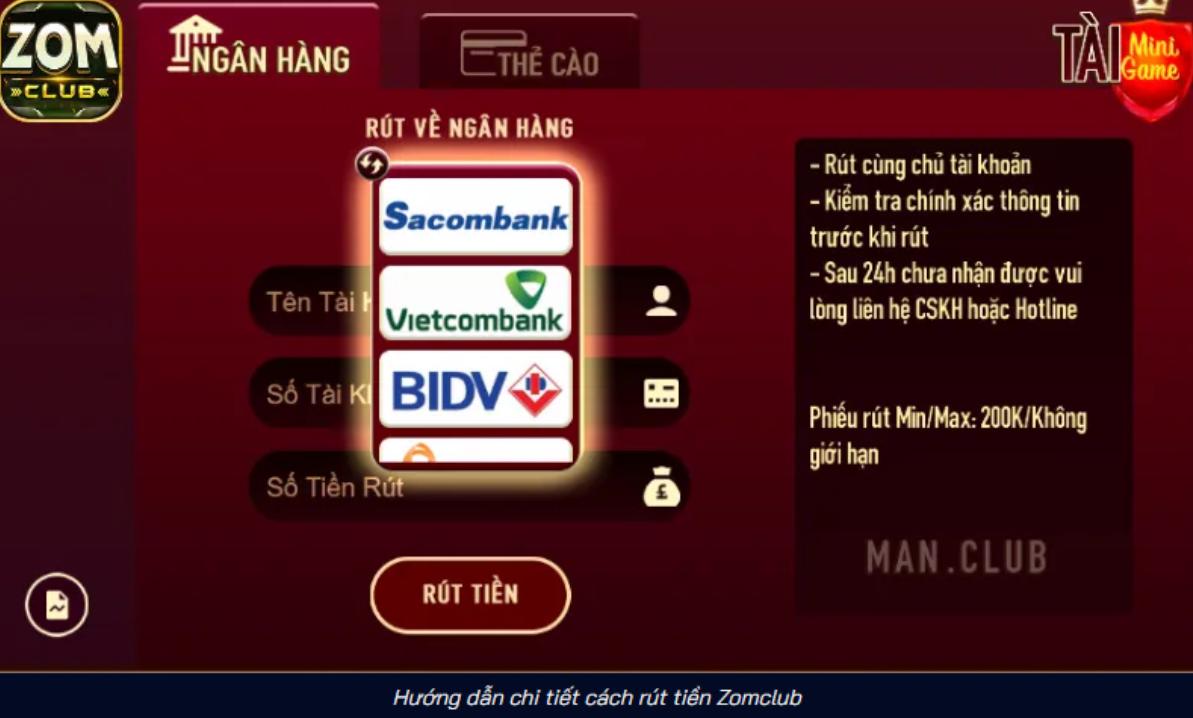
Orders sometimes get stuck not because of high traffic, but because the system needs to check for mismatched data. Standardizing before withdrawing significantly reduces the chances of an order being stuck when the necessary conditions are actually not met.
Verify your account and link your bank account: do it once for smooth withdrawals multiple times.
If this is your first withdrawal or you've recently changed your information, the system may require verification to ensure security. You should complete the verification as soon as possible, as withdrawals are the most sensitive operation. Once your account is fully verified, withdrawal requests are less likely to be stopped for further verification.
When linking a bank account, ensure the account holder's name matches the registered information. Mismatched names or using a non-matching bank account may cause the order to be held for verification. If you have multiple bank accounts, choose one primary account for regular withdrawals, avoiding frequent switching as this often raises system suspicion.
Enter the correct bank information: even a single incorrect character can cause the transaction to be delayed.
After entering the information, you should double-check it by reading each section, not just glancing. The human eye tends to "correct" itself, so glancing easily leads to missed errors. Reading each section helps you detect reversed numbers, missing digits, or extra spaces.
You should also check that the bank and recipient information are correct. If the system allows saving the information, save it after you are sure it's correct so you don't have to re-enter it next time, reducing the risk of errors. However, only save it on your personal device with a screen lock; avoid saving it on shared devices.
Maintain a stable network and login session: avoid interruptions.
Withdrawing money while the network is unstable can easily lead to uncertainty about whether the order has been sent. This causes you to click again, creating confusion. You should withdraw when the network is stable, and avoid switching between Wi-Fi and 4G networks mid-way. If you have to switch networks, log out completely and log back in after the switch is complete, avoiding switching during the confirmation step.
Monitoring order status and handling suspended orders: stay calm, follow the correct steps, and avoid wasting time.
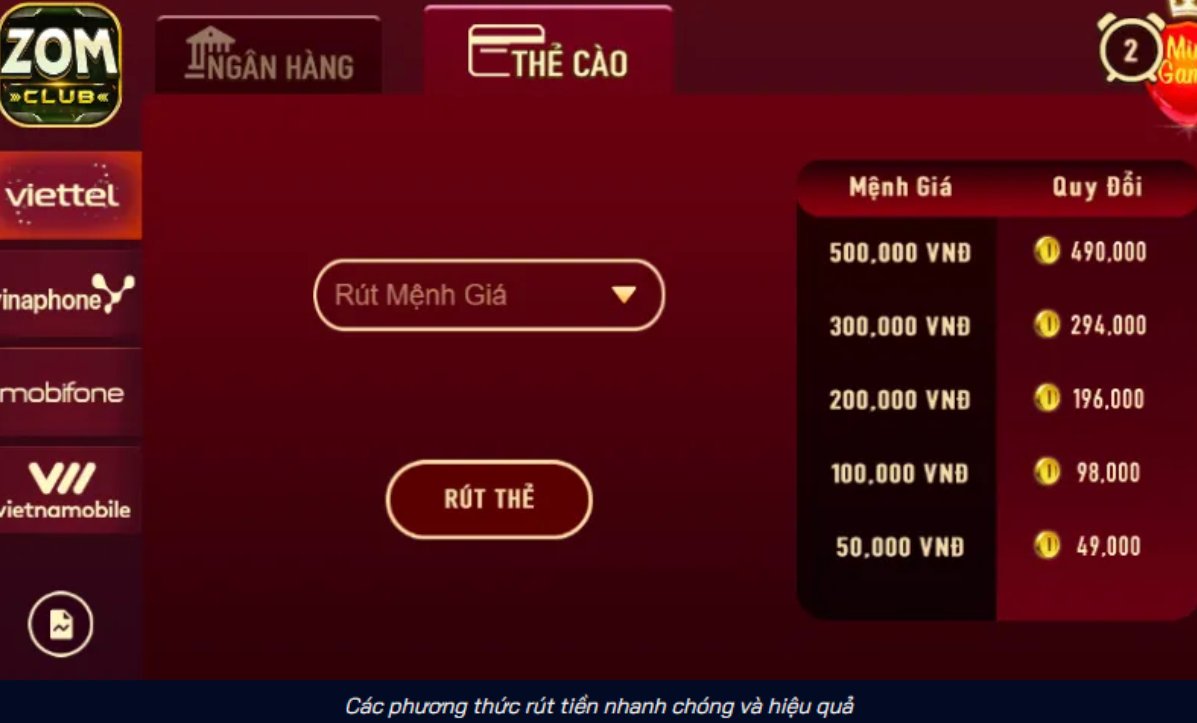
Once the withdrawal order has been created, the most important thing is to monitor its status correctly and avoid any disruptive actions. As long as you follow the proper procedure, most freezing situations will be resolved without needing to "click manually."
Understand the order status: processing, pending approval, completed, and their meanings.
You should check your withdrawal history or transaction history to see where the order is. "Processing" usually means the system is running and you need to wait. "Pending approval" might mean you need to check. "Completed" means the order has been confirmed and you need to wait for the bank to credit it, depending on the update time.
The key point is that you shouldn't judge by the feeling of "it's taking too long," but by the status. The status is real information. Feelings are what easily make you click again and complicate things further.
Absolutely avoid repeatedly backing out of a trade: a clear order is far better than an ambiguous one.
If an order is in progress, don't click "create new order" immediately. Many orders make it difficult to keep track and may trigger further checks. Instead, wait for a reasonable interval, reload the history to update the status, and only act when there is a clear notification.
If you need to change the receiving information, do so after the current order has finished processing, not while clicking. Changing information while clicking is the quickest way to avoid knowing which order corresponds to which information.
When you need to contact support: prepare the necessary information for a quick and secure response.
If the order is pending for too long or shows an error, please contact the official support channel. Please have the following information ready: the time the order was created, the amount, the receiving bank, and the current status displayed. With sufficient information, support will be able to process the request more quickly.
Conclude
Rút tiền Zomclub Today will be faster if you avoid peak hours, prioritize low load times, and withdraw in one go instead of multiple small orders. Standardize your account, enter the correct bank information, maintain a stable internet connection, and monitor the status instead of repeatedly clicking the button. When you need support, prepare the necessary information and adhere to the principle of not sharing OTPs or passwords. With just a few small, well-timed habits, you will significantly reduce order freezes and experience smoother withdrawals.