MGA, UKGC, DGOJ, Curaçao 2.0: How to Check a License and Player Rights
MGA, UKGC, DGOJ, Curaçao 2.0: How to Check a License and Player Rights
If you play online, “licensed” is not a single standard—it’s a set of promises backed by a regulator, and the fine print changes by jurisdiction. In the first minute on a new site (even one promoted alongside Betwinner Botswana), you can spot whether the license claim is real, whether the domain matches the approval list, and what kind of help you can expect if something goes wrong.
A quick license check: what to click, what to match
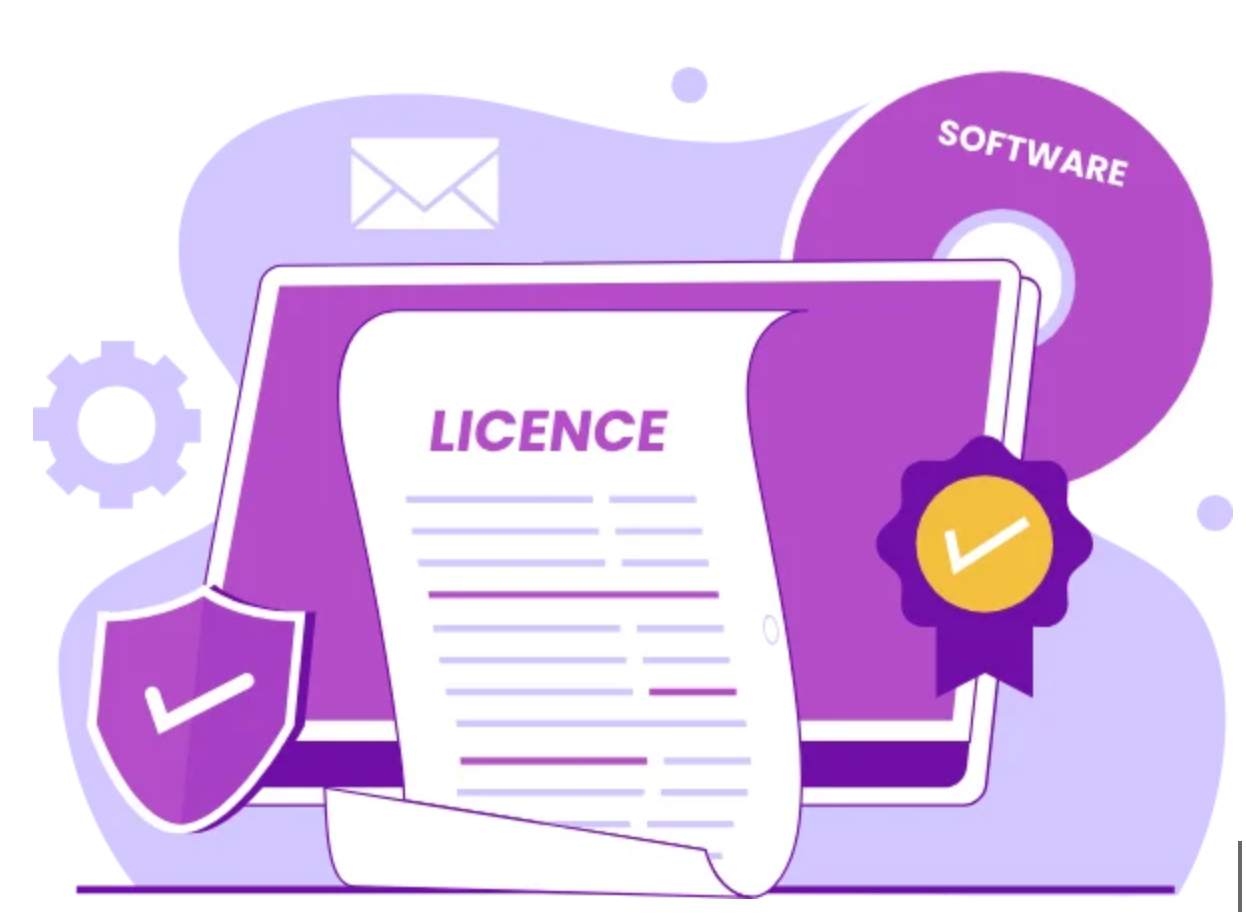
Most players stop at a footer badge. That’s where mistakes happen—because badges can be copied, old license numbers can linger after changes, and some sites list a regulator that never authorized their domain. A proper check is about matching three items: the legal company name, the license status, and the exact website address (domain) tied to that authorization. UKGC, MGA, and Spain’s DGOJ each publish official public listings; Curaçao’s “2.0” era is tied to new LOK rules and public registers under the Gaming Control Board/Curaçao Gaming Authority framework.
-
Start in the footer (don’t trust it yet). Look for: regulator name, license/registration number, the licensed company’s legal name, and the site’s terms/complaints link.
-
Open the regulator’s official register and search by domain or company name.
-
UKGC (Great Britain): use the Gambling Commission’s business register and search by business name/trading name or the domain.
-
MGA (Malta): use the MGA Licensee Register—its search supports licensee name, authorization status, and URL.
-
DGOJ (Spain): use the “Buscador de operadores” (licensed operators search) and, when relevant, cross-check the published list of licensed operator URLs.
-
Curaçao 2.0: look for the Curaçao Gaming Authority license register pages and related official portals tied to the LOK framework.
-
Match the domain exactly. If the register lists example.com and you’re on example1.com (or a different mirror), treat it as unverified. Spain’s DGOJ even highlights domain checking as a player safety step and commonly points players toward official operator/domain lists.
-
Check the license status and regulatory history (when available). UKGC publishes regulatory actions and keeps license records for a period even after they end—use that context to see if a brand has been sanctioned or is no longer active.
-
Confirm your dispute path before you deposit. A real license usually comes with a documented complaint process (operator first, then escalation). UKGC requires access to approved ADR routes; MGA offers a formal complaint channel; DGOJ accepts player complaints against licensed operators.
When this five-minute check fails, the pattern is usually obvious: the “license” badge isn’t clickable or points to a random page, the company name doesn’t match the register, the domain isn’t listed, or the site gives you no clear complaint escalation route. Those are not small details—they shape what leverage you’ll have if a withdrawal stalls or a dispute gets brushed off.
Player rights by regulator: what changes under MGA, UKGC, DGOJ, and Curaçao 2.0
A license is not just permission to operate; it’s a bundle of enforceable player protections. The biggest practical differences are (1) how disputes are escalated, (2) how visible the operator’s status is via public registers, and (3) how strong the safer-gambling obligations are in day-to-day operations. Curaçao’s “2.0” reforms are especially important because the LOK (National Ordinance on Games of Chance) took effect in late 2024 and introduced a more formalized regime with official portals and registers compared with the older, looser reputation many players associate with Curaçao licensing.
The practical takeaway is simple: pick the strongest protection that actually covers your play. UKGC and DGOJ are tightly tied to their consumer markets, with public registers and defined complaint escalation routes. MGA is widely recognized in iGaming and provides direct channels for player complaints alongside register-based verification. Curaçao’s reformed “2.0” setup is moving toward more structured oversight via LOK-era portals and registers—so the smartest move is to rely on what’s verifiable in those official listings, not on reputation or marketing language alone.